

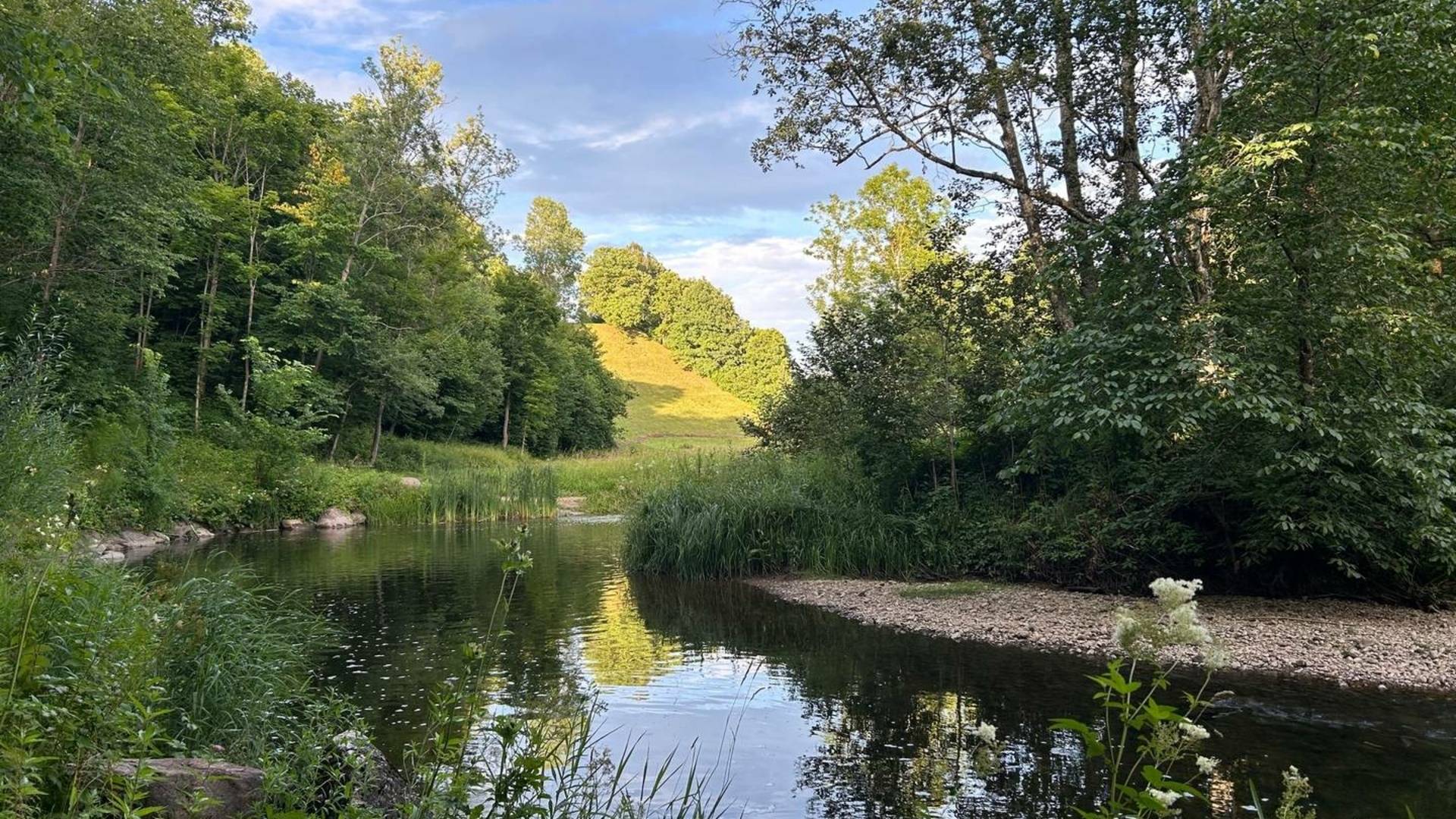
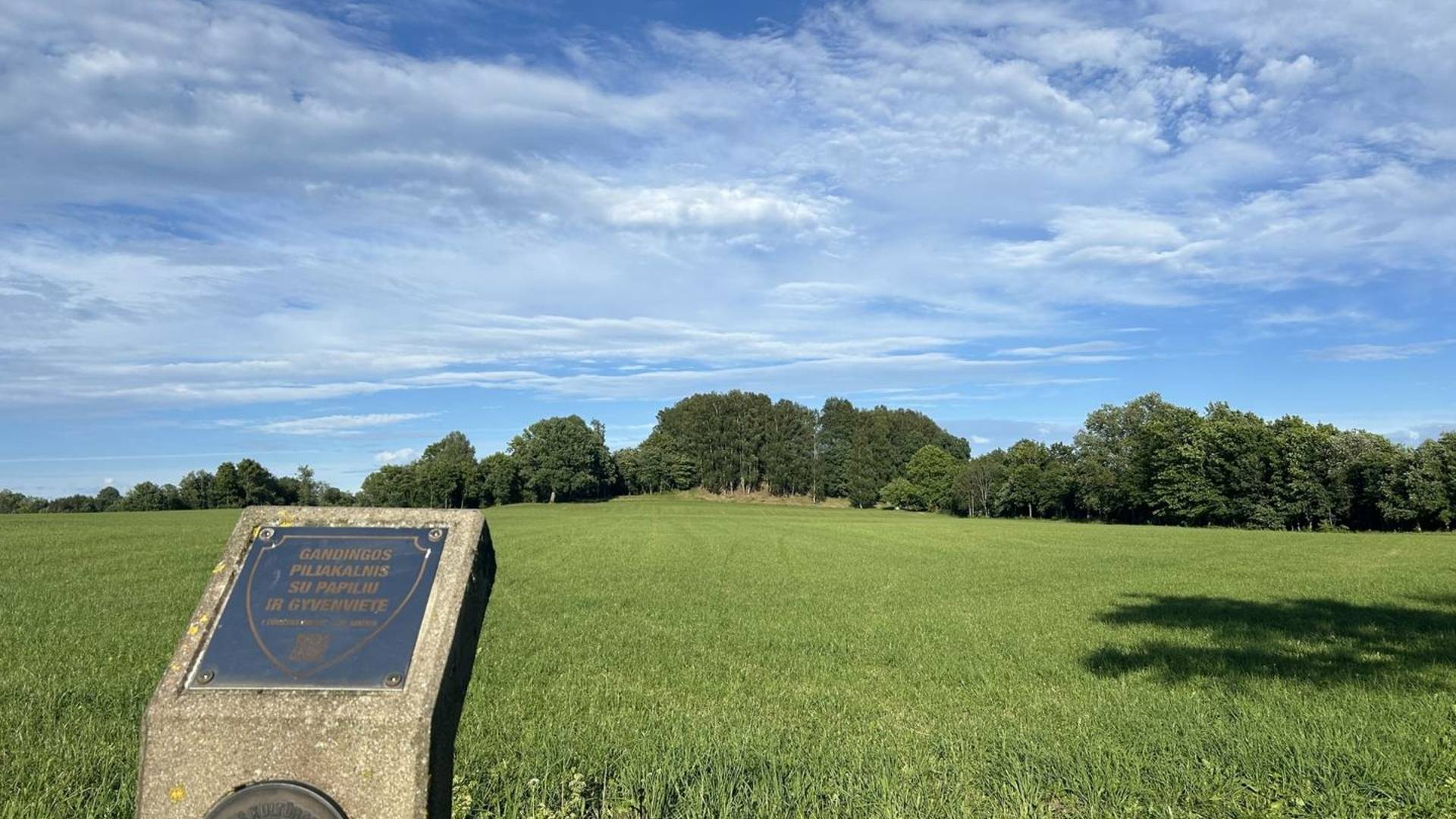
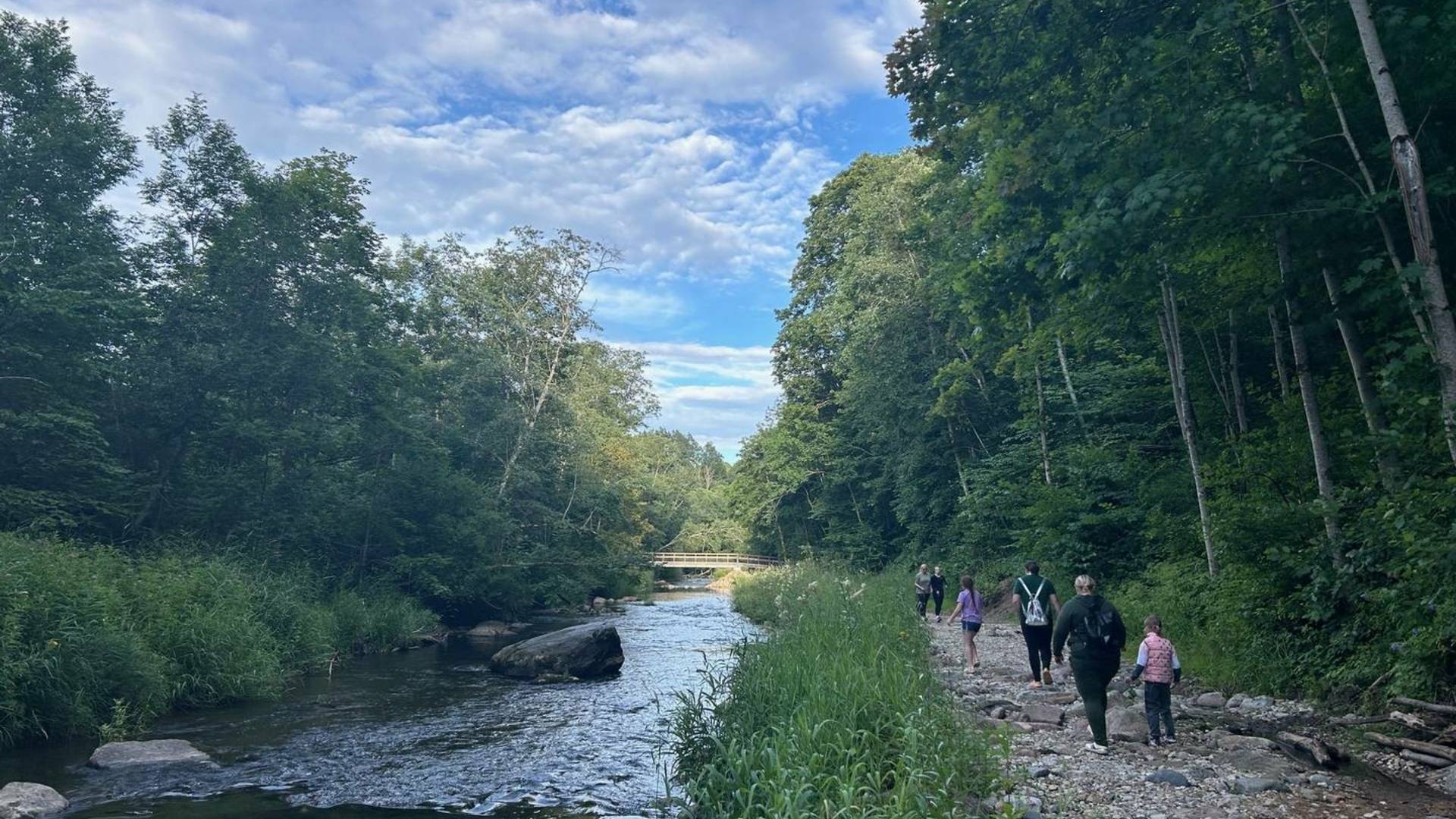
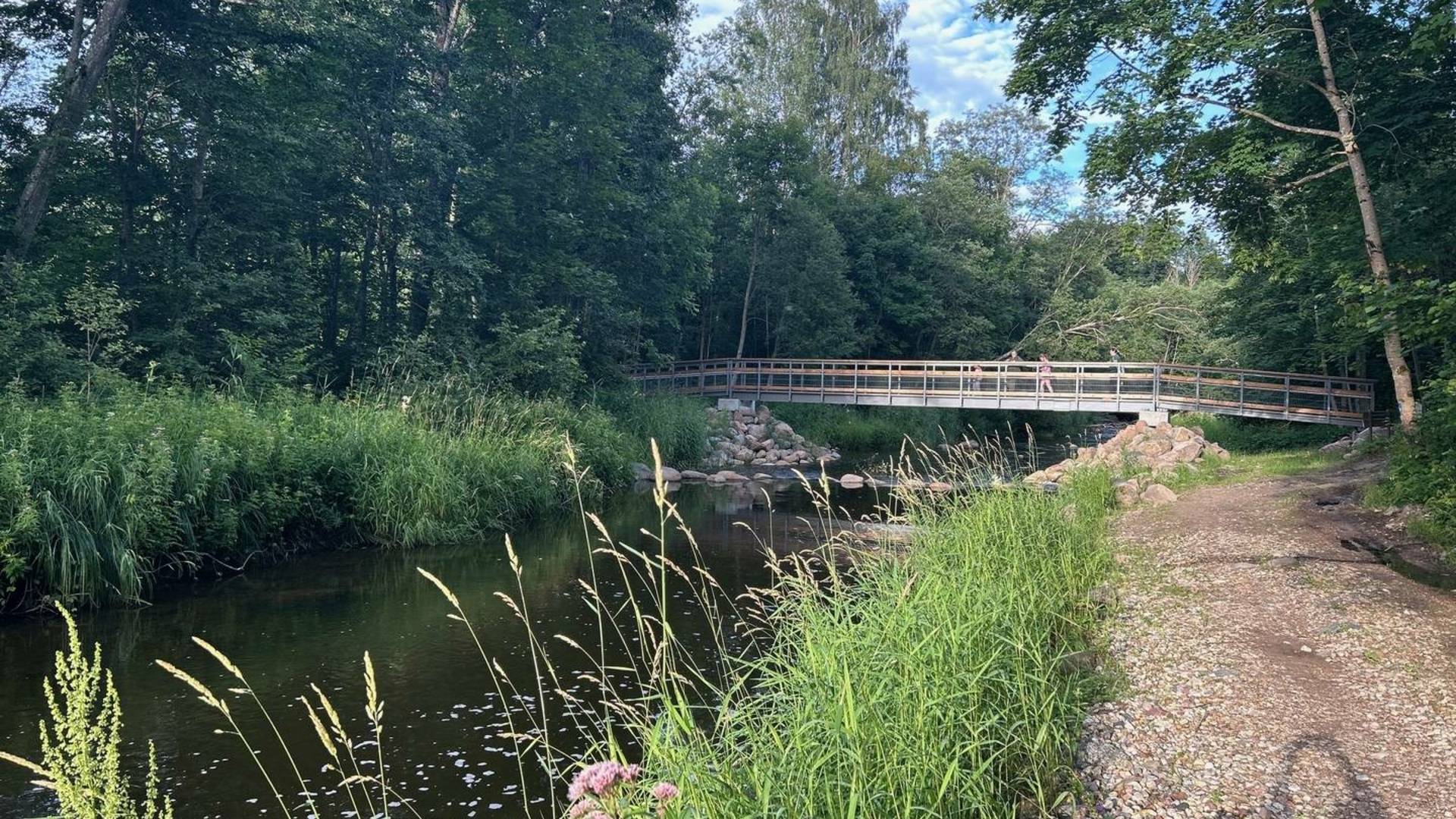
Gandinga belongs to the oldest network of Lithuanian settlements, which was formed on the eve of the formation of statehood as a system of tribal gathering centers with a defensive function. Gandinga was famous for its comfortable defensive position in the footsteps of the deep-seated Babrungas Valley. Unfortunately, written sources about this are very poor. From the letter of the Livonian Order and Bishop Heinrich's Curse on the division of the southern Curonian lands from April 5th, 1253 it is known that there was a castle of Gondinga (now Gandinga) on the mound.
The origins of the creation of Gandinga, as well as the origin of the place name, is closely related to the ethnogenesis of Samogitians and the Curonians who once lived there. This is evidenced by the abundance of legends and prevalent mythological images. There are even 14 legends collected on the Gondinga Mound.
The mound is dating from 1st millenium to the 13th century. Behind the mound, in the base area of 4 ha there is a settlement. And 400 m from the mound and to the north from the settlement there is a necropolis from the 5th-8th century.
Archaeological finds from 2007 show that this area is the only one in Lithuania with five hills in a small area. The researchers found the settlement dating the end of 1st millennium and the beginning of the 2nd millennium and the mansion. There is speculation that Gandinga could have been a city located along Babrungas and thriving in the 13th-17th centuries. In the 16th century it has even been included in the list of non-privileged Lithuanian cities. At that time, its significance equaled to Telšiai, Ukmergė, and it paid the same fee size. After the influx of Sweden, Gandinga's prosperity has ended – the settlement was extinct and the administrative center was moved to Plungė.
+4
.JPG)
Gandinga <<<>>> Skardžiais išrėvėtais, daubom šaltiniuotom Ein dugnu Babrungas, spraudžias sraujomis. Įvairiom legendom kraštas vainikuotas. Gandingos piliakalny – užkeikta pilis. Viršūnė įdubusi, trobesių daug būta, Žuvėdams betraukiantis, lobiai dūla čia. Duris užrakintas slepia žemės plutos, Po dideliu akmeniu – rakts sietuvoje. Velniai turtus saugo, – pasakoja žmonės, – Gėrybës užkeiktos. Šiukštu! – nesurast. Plikęs kalno kiaušas, kirvio aštrus tonas Perėjęs kamienus, liaunas viršūnes. Durys tos lemtingos, metų skaičiaus prašo, Pasitiks – grius lubos, gyvastį nuneš. Pilies jaunas ponas – kerštu degąs lašas Vidurnaktį braido, tranko langines. Prakeiksmą palikę, kas palies tą turtą, Pasiglemžt norėdams, kris baisia mirtim. Pana Krontauskaitë, – įkaitë, užburtoji Verkia ir vaitoja, skundžiasi lemtim. Senas tėvas skrynią, kadaise atradęs, Pats to nežinodams, pasmerkė kančioms. Požemių ji menėse baltas rankas grąžo, Kas dešimti metai vilias grįžt namo. Budriai pilį saugo pragaro tarnaičiai, Jei tik kas kėsinasi – smaugiamas kerais. Gandingos kaimelis vietos piktos baidosi, Tamsų paros metą – prošal nepraeis. Užburta mergelė, kartą stabdžius berną, Labai graudžiai prašė „sielą išvaduok. Eidams liepto linkui, nieko nebijoki, Pirmą, ką pamatęs, karštai pabučiuok“. Panos grožis būrė, vyriškai žadėjo, Kad ir patį velnią, išmyluot dėl jos. Davė nosinaitę, mereška žydėjo: Pereik lūpų šuoru – nebeteks dejuot. Tik, sutikęs bernas krupę rupūžinę, Didumas – baisingas, smirdanti dvokla, Pasileido bėgti, pažadus pamynė, Kojos žemę skynė. Liko prakeikta. . . . Babrungo upelės vaga yr daug mačius, Gausingos šeimynos bebrų veisės čia. Aruodai jos dugno – smiltys šimtalapės, Po akmeniu – raktas. Kuriuo? Nežinia. Žemaitija mano – kraitinė lobynų, Iš lūpų į lūpas – sakmės debesim. Gandingos piliakalnį – Plungė nusiskynusi. Iškalbą senolių išpyniau širdim.